Open your bathroom cabinet and count the empty plastic bottles waiting to be thrown out. Most people stop counting after five.
That pile of plastic is exactly why refillable cleaning products have stopped being a niche, crunchy-granola choice and started showing up in regular Indian households. A refill pouch typically costs far less than a brand-new bottle of the same cleaner, while using a fraction of the plastic. The economics alone make the switch worth a second look, even before you factor in the environmental upside.
It’s a quiet shift. Nobody’s making a big announcement about it. But it’s happening.
The Real Cost of a New Bottle Every Time
Every time you buy a fresh bottle of bathroom cleaner, you’re paying for plastic you don’t need. The bottle itself, the cap, the pump mechanism — all of it gets manufactured, shipped, and eventually thrown away after a few weeks of use.
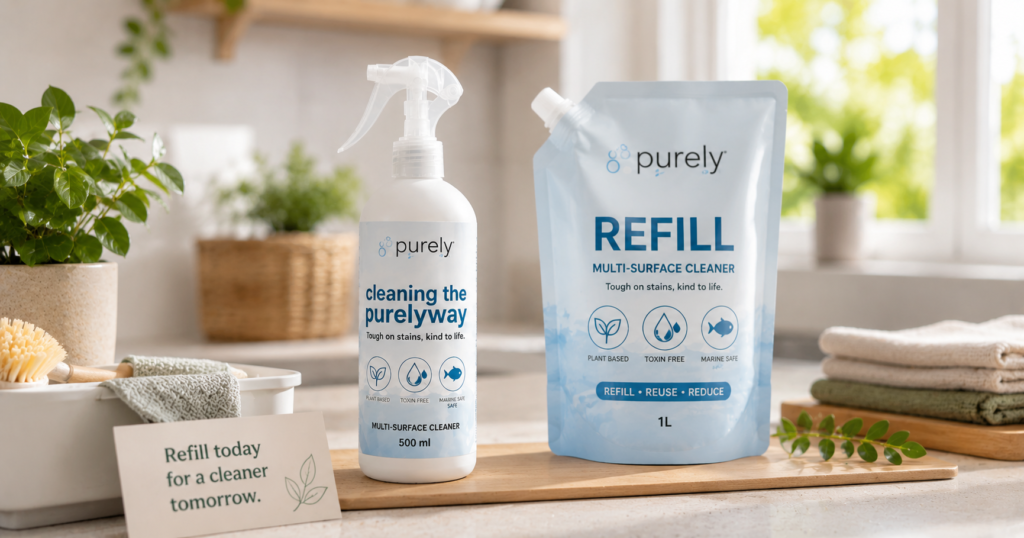
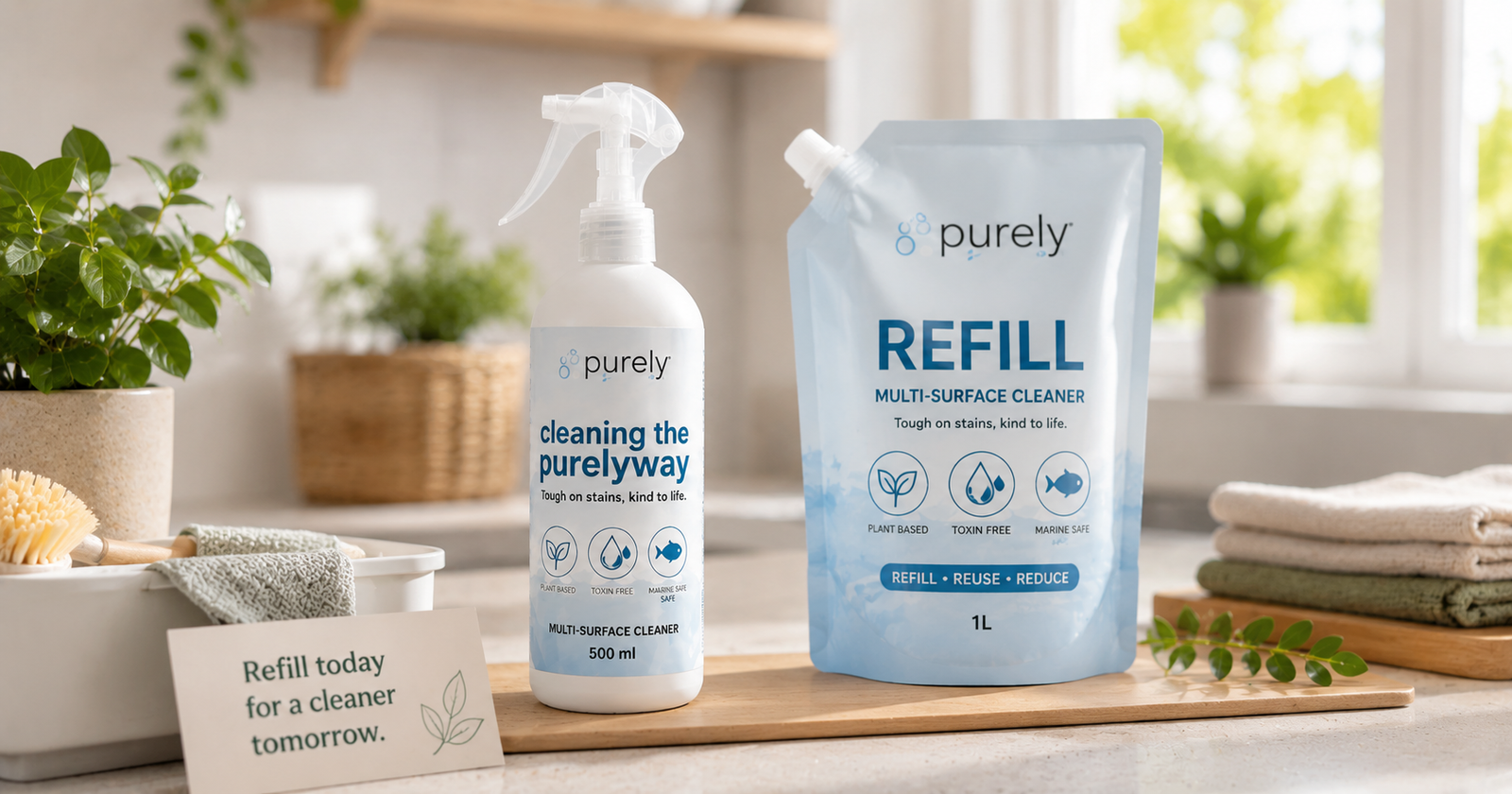
A refill system flips that. You keep one sturdy bottle and just top it up. Less plastic produced, less plastic in landfills, and a noticeably lower price per use over the months ahead.
Think about a small flat in Kandivali with limited storage. Stockpiling bulky bottles isn’t practical there. Lightweight refill pouches solve a real space problem, not just an environmental one.
Low-Waste Doesn’t Mean Watered-Down
There’s a quiet worry people have before switching: does a refill formula clean as well as the original bottle? It does, assuming the brand engineered the refill as a true match rather than a diluted afterthought.
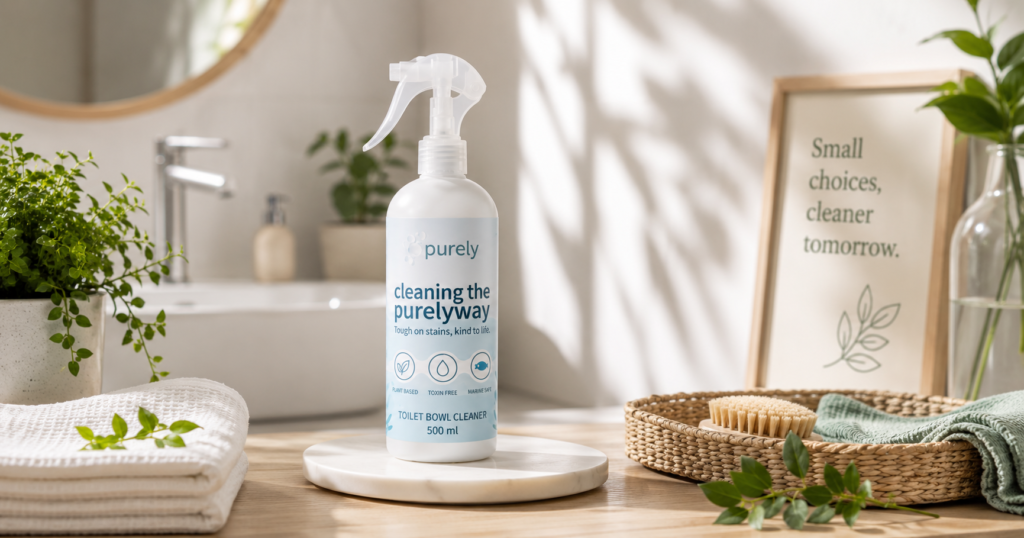
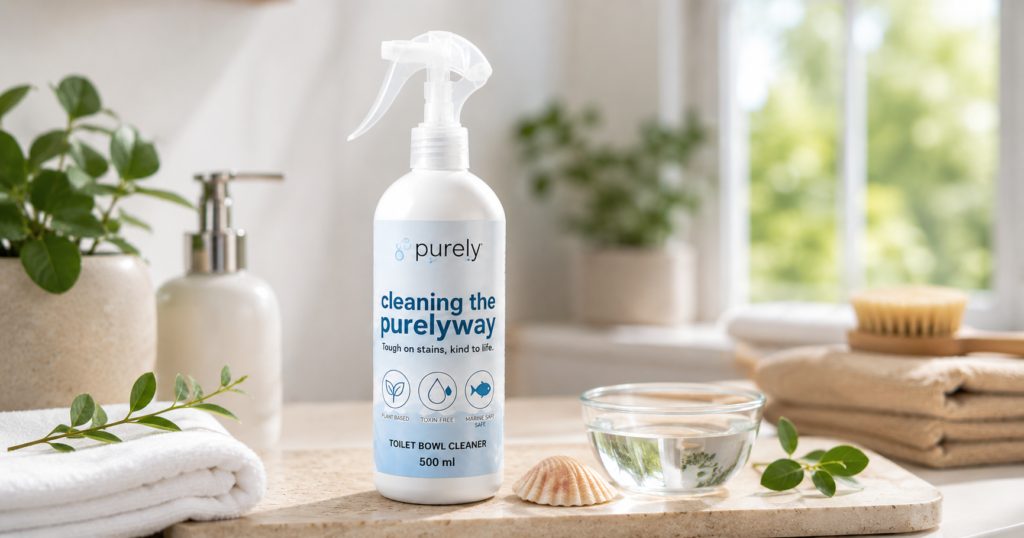
Purely’s plant-based formulas are built the same way whether they arrive in the original bottle or the refill pouch. Same toxin-free ingredients, same marine-safe biodegradability, same cleaning power on soap scum and hard water stains. The only thing that changes is how much plastic ends up in your bin.
How to Actually Make the Switch
Most people overthink this part. Start small:
- Keep your existing bottle instead of tossing it once it’s empty
- Order a refill pouch the next time you’re running low, not after you’ve run out
- Rinse the bottle once every few refills to keep things fresh
- Recycle the empty refill pouch where local facilities allow it
That’s it. No new habits to build, no special equipment. Just a different box to click on the reorder.
Cost matters here too, and not in a small way. A household that cleans its bathroom weekly burns through a surprising number of bottles over a year. Multiply the refill savings across twelve months and the difference adds up to real money, not pocket change.
Why This Trend Has Staying Power
Plenty of sustainability trends fade once the novelty wears off. This one probably won’t, mostly because it doesn’t ask the customer to sacrifice anything. Lower cost, less plastic, same clean — that combination tends to stick.
It also fits how urban Indian households already shop. Refill subscriptions and reorder reminders slot neatly into routines people have already built around online grocery and home essentials.
Purely offers refill options across its plant-based, toxin-free range, so switching away from single-use bottles doesn’t mean switching brands or compromising on what’s safe to use around kids and pets. [Internal link: “refill options for Purely products” → Products page] One small change in how you reorder, one smaller pile of empty plastic at the end of the month.